
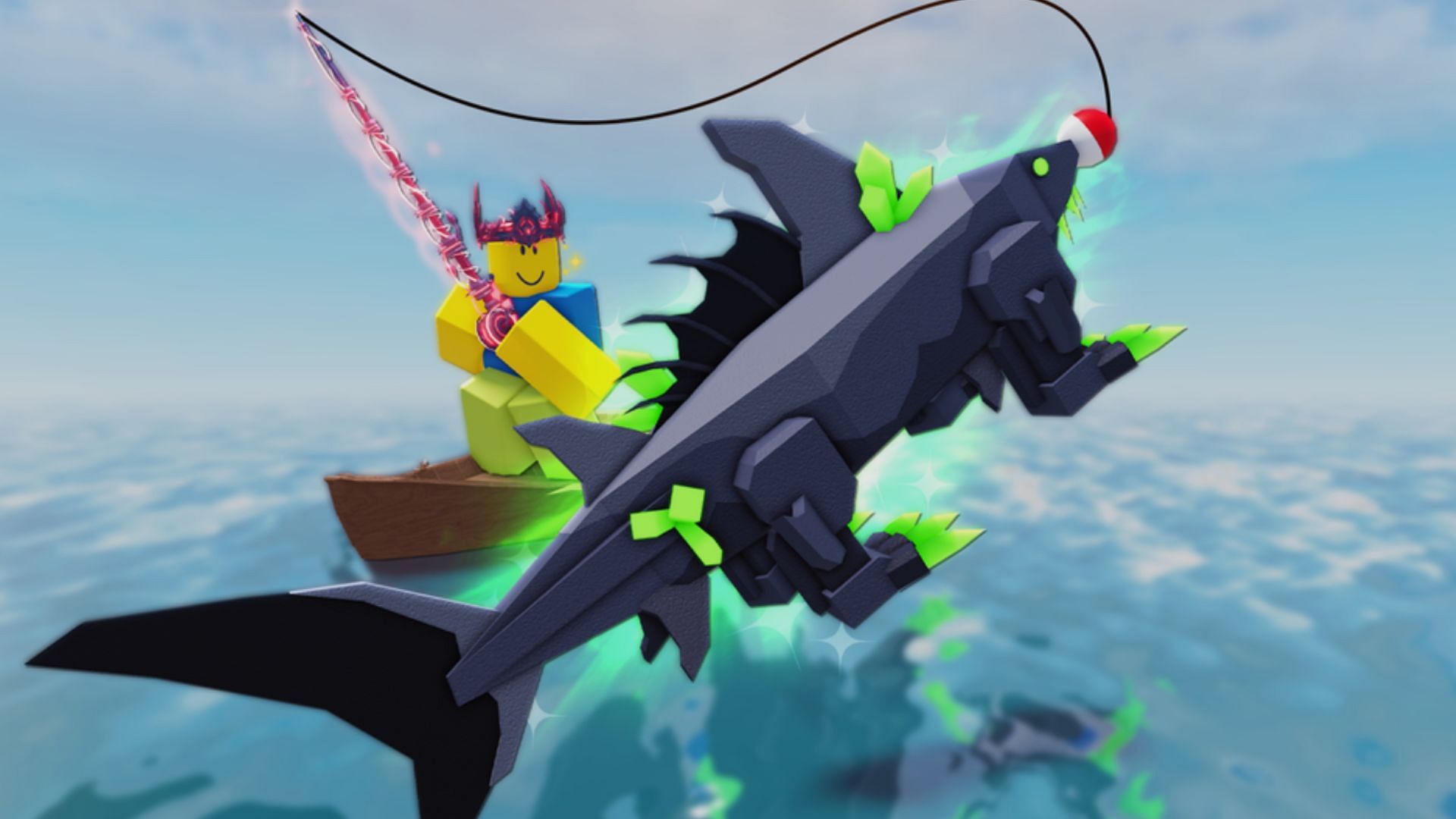
If you’re searching to improve your classroom with engaging materials, fish boom game, the Fish Boom game provides some useful no-cost tools suited for UK teachers. These resources can enhance your lessons on marine ecosystems and promote pupil teamwork. You’ll find teaching plans, handouts, and interactive assessments that blend smoothly into your curriculum. But how can you successfully include these resources to maximize learner involvement and grasp? Let’s examine some useful strategies.
Key Takeaways
- Investigate no-cost interactive online assessments and activities concerning types of fish and marine ecosystems, boosting learning through the Fish Boom game’s concepts.
- Access downloadable activity sheets and activities that feature brain teasers, coloring activities, and association activities concentrated on ocean life and ecosystems.
- Integrate teaching plans focusing on aquatic ecosystems, using Fish Boom as a foundation for instructing biodiversity and protection.
- Use media assets like films and features available online to complement the Fish Boom game and captivate pupils in marine education.
- Apply group projects that mimic the game’s mechanics, fostering cooperation and critical thinking about environmental roles and environmental sustainability.
Understanding the Fish Boom Game: Educational Benefits
While you delve into the realm of the Fish Boom Game, you’ll uncover its unique educational benefits that go outside basic amusement.
The game involves you in an interactive environment, improving your grasp of ocean ecosystems. As you participate, you’ll learn about diverse fish species, their habitats, and the fragile balance of ocean life.
It hones critical thinking skills, requiring you to strategize and make decisions based on real-time scenarios. Moreover, engaging with colorful graphics and lively gameplay keeps your interest piqued, enhancing retention of key concepts.
Plus, it encourages cooperation when played in groups, fostering collaboration and communication.
Ultimately, the Fish Boom Game serves as a enjoyable yet powerful tool for reinforcing knowledge about marine life while keeping you entertained.
Lesson Plans for Teaching Marine Life
Creating effective lesson plans for teaching marine life can transform your classroom into an engaging exploration of underwater ecosystems.
Start with an initial session that sparks curiosity about ocean habitats and their inhabitants. Incorporate hands-on activities, like building a coral reef model, to illustrate biodiversity.
Utilize multimedia resources to bring marine life to life; videos and documentaries can demonstrate behaviors and adaptations, making the subject more relatable.
Integrate discussions around conservation to highlight the importance of protecting marine environments.
Encourage group projects where students research different marine species, fostering collaboration and critical thinking.
Printable Worksheets and Activities
Printable worksheets and activities are beneficial tools for enhancing your lessons on marine life. They allow you to engage students in interactive learning that reinforces important concepts about fish and their habitats.
You can provide worksheets that include coloring pages, word searches, or crossword puzzles featuring different fish species. These activities stimulate interest and promote creativity while allowing your students to absorb information in an fun way.
Consider incorporating matching exercises where students align fish with their corresponding environments.
Activity sheets can foster observational skills and critical thinking when asking learners to identify fish characteristics. Not only do these resources cultivate a love for marine life, but they also support different learning styles, catering to visual and kinesthetic learners alike.
Interactive Online Resources and Games
As you delve into the world of marine life, interactive online resources and games can provide an captivating way to deepen students’ understanding of fish and their ecosystems. Many websites offer enjoyable quizzes, virtual aquariums, and interactive maps that allow students to learn about different fish species and their habitats.
You can also find simulation games that test players to manage marine environments, teaching important concepts about sustainability and conservation. Utilizing these resources, students can gain hands-on knowledge while having fun.
Take time to look through various platforms and select games that suit your educational goals. The right combination of learning tools can make lessons about fish engaging and memorable for your class.
Integrating Fish Boom Into Classroom Activities
To efficiently integrate Fish Boom into classroom activities, consider designing lessons that incorporate the game’s themes and mechanics. Begin by using the game’s bright visuals and engaging gameplay to teach concepts like marine biology or environmental science. For example, students can create their own fish species, exploring habitat needs and ecological roles, and then share these in a presentation activity.
You could also implement math challenges based on the game’s scoring system, fostering problem-solving through real-time data interpretation.
Additionally, incorporate teamwork by having students cooperate on group projects that mimic the game’s cooperative play. By integrating these elements into your curriculum, you’ll not only make learning more fun but also help students connect concepts to real-world applications.
Frequently Asked Questions
What Age Group Is Fish Boom Game Suitable For?
Fish Boom is suitable for kids approximately 6 to 12 years old. You’ll find its colorful graphics and captivating gameplay ideal for that age group, making it enjoyable and educational at the same time.
Are There Any Classroom Management Tips for Fish Boom Game?
To control your classroom effectively while playing Fish Boom, set clear rules, encourage teamwork, and monitor progress. Keep the atmosphere energetic and energetic, but ensure everyone stays attentive and engaged throughout the game.
Can Fish Boom Game Be Played Offline?
No, you can’t play Fish Boom offline. It requires an internet connection to access game features, updates, and engage with other players. Make sure your device is online for the best gaming experience!
How Can I Customize Lessons Using Fish Boom Game?
You can customize lessons using Fish Boom Game by selecting specific topics, setting difficulty levels, and including your own questions. This way, you adapt the experience to fit your teaching goals and involve your students effectively.
Is There a Community Forum for Fish Boom Game Users?
Yes, there’s an online community forum for Fish Boom Game users. You can interact with other players, share tips, and talk about strategies. It’s a great way to improve your gaming experience and learn from others.
Conclusion
Incorporating the Fish Boom experience into your learning environment can transform how students engage with marine life. With its varied tools—curriculum guides, printable worksheets, and engaging tests—you’ll cultivate inquisitiveness and collaboration while improving critical thinking. By integrating fun with education, you establish a dynamic learning environment that enriches students’ understanding of ocean ecosystems. Dive into these free resources and watch your students’ admiration for marine life blossom!